
Tinubu Launches Historic NYSC Overhaul with Civilian Leadership
Abuja, Nigeria – President Bola Ahmed Tinubu has approved the most sweeping transformation of the National Youth Service Corps (NYSC) since its creation 53 years ago, ushering in a new era focused on skills development, safety, and professional growth for Nigeria’s graduates.
Announced Monday after the Federal Executive Council (FEC) meeting, the reforms reposition the iconic national service scheme as a dynamic, productivity-oriented institution aligned with the administration’s vision of building a $1 trillion economy.
While the military will continue safeguarding corps members nationwide, day-to-day operational leadership will shift to civilians—a pivotal change aimed at fostering innovation and modern governance.
Directed by President Tinubu, the Attorney-General of the Federation, Lateef Fagbemi, and Minister of Youth Development, Ayodele Olawande, will now amend the NYSC Act and supporting regulations to enable swift rollout. Key highlights include:
Digital Mobilization: A technology-driven call-up process designed for greater efficiency, transparency, and reduced backlogs.
Enhanced Safety Protocols**: Risk-sensitive deployment strategies that prioritize corps members’ security without compromising national unity goals.
Revamped Orientation: A restructured six-week program emphasizing leadership, entrepreneurship, digital literacy, and specialized career tracks rather than traditional paramilitary routines.
Skills-Aligned Postings: Primary assignments matched to graduates’ academic backgrounds and professional aspirations, turning service into a practical launchpad for employment and national priorities in agriculture, healthcare, technology, and more.
Civilian-Led Governance: Modern leadership structure with civilian operational control, complemented by sustained military security support.
Upgraded Standards: A national grading and certification system for orientation camps to ensure consistent, high-quality experiences across the country.
Fresh Conclusion and Identity: Replacement of the Passing Out Parade with a professional graduation ceremony, plus a redesigned uniform reflecting national pride and contemporary professionalism.
Established in 1973 to promote reconciliation and integration after the Nigerian Civil War, the NYSC has long symbolized unity.
Yet, over the decades, it has faced valid critiques: prolonged mobilization delays, security vulnerabilities in high-risk postings, skill mismatches, and an outdated structure ill-suited to today’s digital and economic realities.
Earlier reform discussions, including a dedicated committee in 2025, laid the groundwork for today’s decisive action.
This overhaul addresses those pain points head-on. By integrating entrepreneurship training, digital skills, and career-relevant deployments, the new NYSC seeks to empower young Nigerians as active drivers of development rather than passive participants.
It reflects a pragmatic evolution: preserving the scheme’s core nation-building purpose while adapting it to 21st-century demands.
For millions of graduates annually, these changes could mean safer service, more relevant experiences, and stronger post-service opportunities—critical in a youthful nation battling unemployment and skills gaps.
Supporters view it as another example of Tinubu’s “one institution at a time” reform drive, drawing praise online for being “long overdue.”
Challenges remain, however. Successful implementation will require seamless legislative updates, robust funding, transparent civilian appointments, upgraded infrastructure, and effective public-private partnerships.
Monitoring and evaluation mechanisms will be essential to ensure reforms deliver on their promise without unintended disruptions.
As Nigeria navigates economic reforms and demographic pressures, modernizing flagship institutions like the NYSC underscores a commitment to investing in human capital.
The coming months will reveal how quickly and effectively these changes take root — but the signal is clear: the national service era is entering a bold new chapter.
Young Nigerians, policymakers, and observers alike will be watching closely as this vision moves from approval to action.
 politics
 Adebayo Challenges Tinubu: Where Is Subsidy Money? Come Out and Account for It
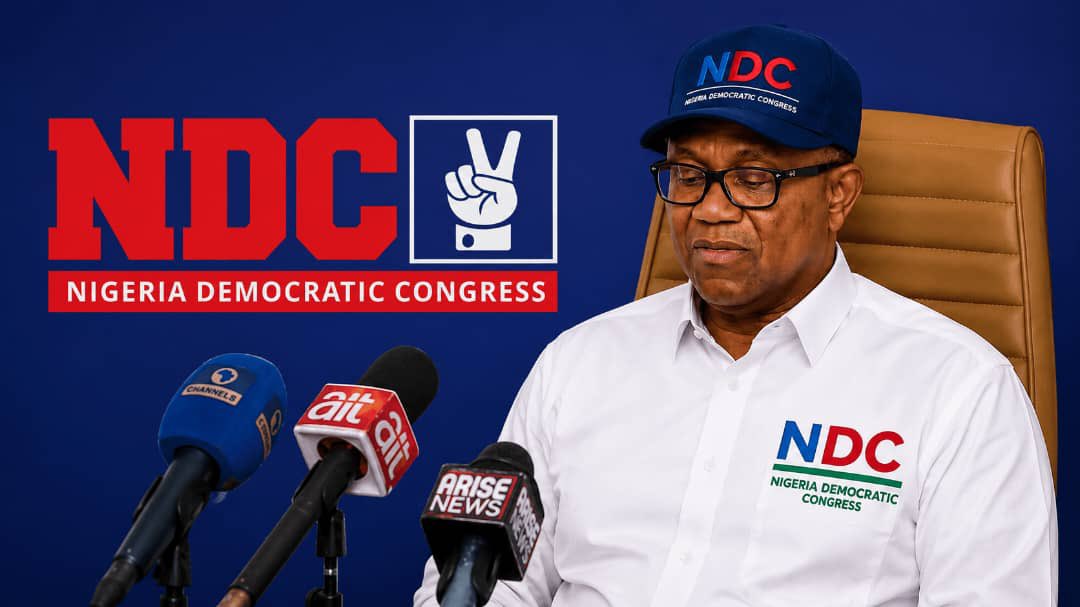 politics
 NDC Wins Logo Battle as Abuja Court Orders INEC to Use Modified Design
 news
news Atiku Exposes Tinubu’s FAAC Scam: Bigger Naira, Poorer Nigerians
 news
news Police Arrest Hafsat Abubakar Over Fake Fintech Shutdown Document Circulated Online
 politics
 Sowore Declares Peter Obi Yelwata Blockade Government-Sponsored Political Attack
How do you feel about this news?
Community Additions
Have a news tip, correction, or extra context about this story? Post it below instantly. All submissions appear live on this screen immediately.