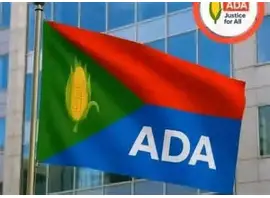
Court Orders INEC to Register New ADA Party, Give Access Code in 72Hours
Abuja, Nigeria — In a landmark ruling that could reshape Nigeria’s political landscape ahead of the 2027 general elections, the Federal High Court in Abuja has ordered the Independent National Electoral Commission (INEC) to register the All Democratic Alliance (ADA) as a full-fledged political party and release its registration access code within 72 hours.
Justice Peter Lifu delivered the judgment on Monday, June 29, 2026, resolving a contentious internal leadership dispute and compelling INEC to recognize the faction led by Chief Akin Ricketts as the legitimate promoters of the party.
The court also directed INEC to reopen the registration portal for one week, allowing the ADA to upload its membership register and required documents.
The All Democratic Alliance had been navigating a stormy path toward official recognition.
Earlier attempts by the group to secure registration faced hurdles, with INEC previously rejecting applications or expressing reservations about compliance with constitutional requirements for new parties.
A prior suit by the association was even dismissed in May 2026.
At the heart of the latest case was a leadership rift. INEC had issued an access code to Dr. Umar Ardo, whom the court determined was not the recognized Protem National Chairman or Secretary.
Justice Lifu declared INEC’s actions in that regard unlawful and null and void, affirming the Ricketts-led executive as the proper authority.
This development comes amid a flurry of activity around new and emerging political platforms in Nigeria, including the Nigeria Democratic Congress (NDC), which has faced its own legal battles and registration controversies.
Some observers see these maneuvers as part of broader opposition realignments, potentially creating platforms for prominent figures dissatisfied with the current major parties.
Public reactions on social media have been swift and divided. Supporters hail the ruling as a victory for the rule of law and democratic pluralism, arguing it prevents INEC from arbitrarily blocking viable political associations.
Critics, however, question the judiciary’s growing role in what they perceive as political engineering, with some dismissing the development as a “distraction” or part of pre-2027 permutations.
One user noted the potential as “an invitation… for @PeterObi,” reflecting speculation that the ADA could serve as a vehicle for opposition coalitions.
Others expressed skepticism about the Nigerian judiciary’s consistency, pointing to conflicting rulings in similar cases across different courts.
For INEC, the order adds pressure to an already complex electoral environment. The commission must now act swiftly to comply, or risk further legal challenges that could erode public confidence in the electoral process.
Nigeria’s multi-party system has long been dominated by the All Progressives Congress (APC) and the People’s Democratic Party (PDP), but recurring calls for stronger opposition and fresh alternatives have fueled the emergence of new groups.
Successful registration of the ADA would join a growing list of parties seeking to challenge the status quo, though history shows that many new entrants struggle with funding, organization, and national spread.
Legal experts emphasize that while court intervention upholds constitutional rights to association and participation, true democratic strength ultimately rests on parties’ ability to build genuine grassroots support, articulate clear policy visions, and navigate the rigorous demands of Nigerian electoral law.
As the 72-hour deadline ticks, all eyes remain on INEC’s response. Will this open the floodgates for more registrations and vibrant opposition ahead of 2027, or will it become another footnote in Nigeria’s complex political saga? The coming days—and months—will tell.
This ruling underscores the judiciary’s pivotal, sometimes controversial, role in Nigeria’s democracy.
For a nation yearning for credible alternatives and accountable governance, developments like this highlight both the promise of institutional checks and the persistent challenges of political maturation.
 politics
 Adebayo Challenges Tinubu: Where Is Subsidy Money? Come Out and Account for It
 politics
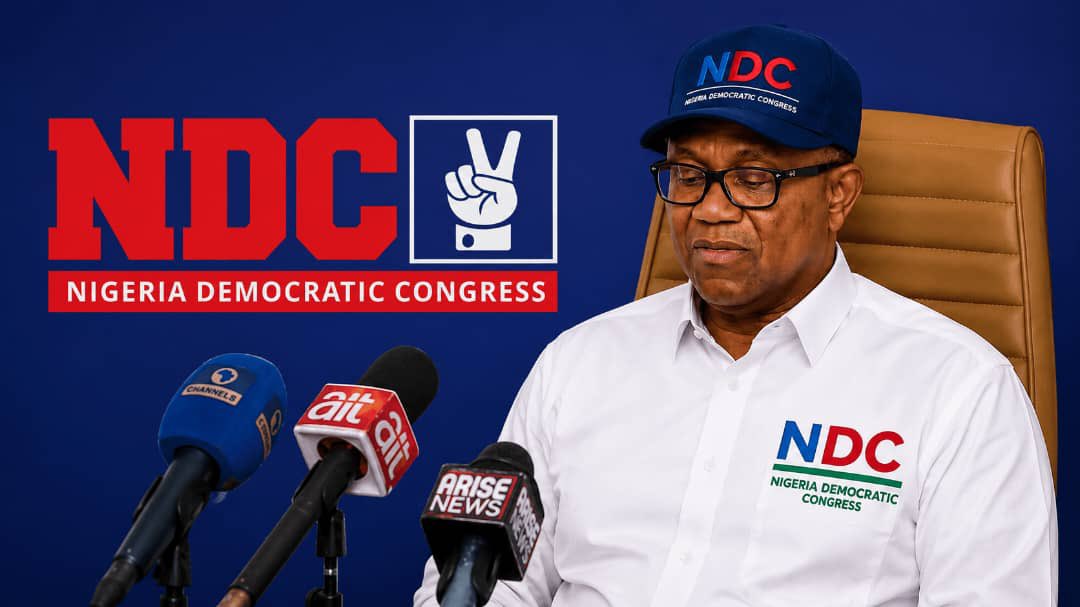
 NDC Wins Logo Battle as Abuja Court Orders INEC to Use Modified Design
 news
news Atiku Exposes Tinubu’s FAAC Scam: Bigger Naira, Poorer Nigerians
 news
news Police Arrest Hafsat Abubakar Over Fake Fintech Shutdown Document Circulated Online
 politics
 Sowore Declares Peter Obi Yelwata Blockade Government-Sponsored Political Attack
How do you feel about this news?
Community Additions
Have a news tip, correction, or extra context about this story? Post it below instantly. All submissions appear live on this screen immediately.