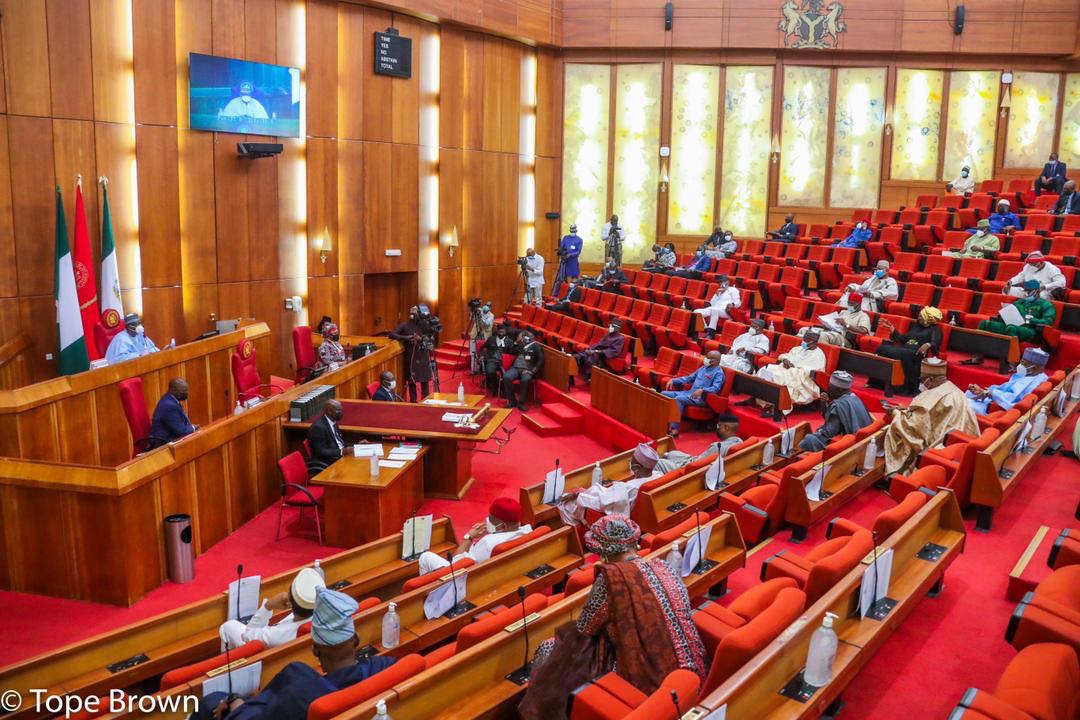
House Reaffirms Security as Collective Duty Amid Rising Insecurity Concerns
Abuja, Nigeria – June 23, 2026 – In a pointed response to escalating public anxiety over Nigeria’s persistent security crises, the House of Representatives has reiterated that safeguarding the nation remains a shared responsibility demanding urgent collaboration between all arms of government, security agencies, and citizens.
The official press statement, issued on June 19, 2026, underscores the 10th Assembly’s commitment to “constructive engagement and practical legislative action” as the pathway forward. It comes against a backdrop of fierce criticism from the House Minority Caucus, which has accused the executive of neglecting its constitutional duty to protect lives and property while seemingly prioritizing preparations for the 2027 general elections.
Deepening Crisis Prompts Strong Legislative Push
Nigeria continues to grapple with multifaceted security threats: banditry ravaging the North-West, lingering insurgency in the North-East, widespread kidnappings, and attacks on vulnerable groups including schoolchildren, traditional rulers, and even retired military officers.
The recent abduction and killing of retired Major General Rabe Abubakar in bandit captivity has intensified calls for decisive action.
The Minority Caucus, led by figures such as Hon. Fred Agbedi and spokesman Hon. Afam Victor Ogene, has been particularly vocal.
They highlighted poor budget implementation in defence and security agencies—reportedly below 30% in key areas—alleging this underfunding exacerbates vulnerabilities despite substantial allocations.
Lawmakers have urged President Bola Tinubu to refocus on governance or risk further erosion of public confidence.
House’s Proactive Stance: Legislation, Oversight, and Collaboration
Far from being defensive, the House has positioned itself as an active player. Recent actions include:
- Debates and motions calling for enhanced security deployments to curb bandit attacks in affected communities.
- Public hearings on defence-related bills aimed at overhauling the security architecture, improving military welfare, and strengthening responses to emerging threats.
- Advancement of constitutional amendments, such as the State Police bill, to empower sub-national governments in tackling localized insecurity.
- Resolutions targeting the “ransom economy,” financial intelligence coordination, and anti-money laundering efforts to disrupt funding for criminal networks.
Speaker Tajudeen Abbas has emphasized the need for improved intelligence capabilities, while the House continues to stress legislative tools like appropriations, oversight, and policy reforms.
A Shared Responsibility: Nuances and Implications
This latest statement humanizes the challenge by acknowledging widespread public concerns without assigning unilateral blame.
It reflects a veteran legislative instinct: security is not solely an executive function but requires synergy across branches, levels of government, and society.
In practice, this means lawmakers pushing for better funding utilization, community engagement, and structural reforms while avoiding politicization that could undermine morale in the security forces.
Nuances matter here. Nigeria’s security woes are not new—they stem from complex roots including porous borders, socioeconomic pressures, youth unemployment, weak justice systems, and adaptive criminal networks exploiting technology and informal finance.
Purely militaristic approaches have shown limitations; sustainable solutions demand intelligence-led operations, economic interventions in flashpoints, and trust-building with communities.
Edge cases and broader considerations: Over-reliance on federal forces strains resources in a vast country. State police proposals raise questions about funding, training, accountability, and risks of abuse.
International partnerships and technology (drones, surveillance) offer promise but require safeguards against misuse.
Politically, with 2027 on the horizon, balancing accountability with bipartisanship is delicate—rhetoric that divides could hinder the very collaboration the House now champions.
Nigerians, understandably weary after years of headlines dominated by tragedy, deserve results. The House’s reaffirmation offers a framework: collective responsibility must translate into coordinated, well-resourced action. Whether through accelerated budget releases, intelligence reforms, or community-driven initiatives, the test will be in implementation.
The 10th Assembly has declared its readiness. The coming weeks and months—in plenary, committee rooms, and on the ground—will reveal if this commitment delivers the safer Nigeria that citizens urgently demand.
 politics
 Adebayo Challenges Tinubu: Where Is Subsidy Money? Come Out and Account for It
 politics
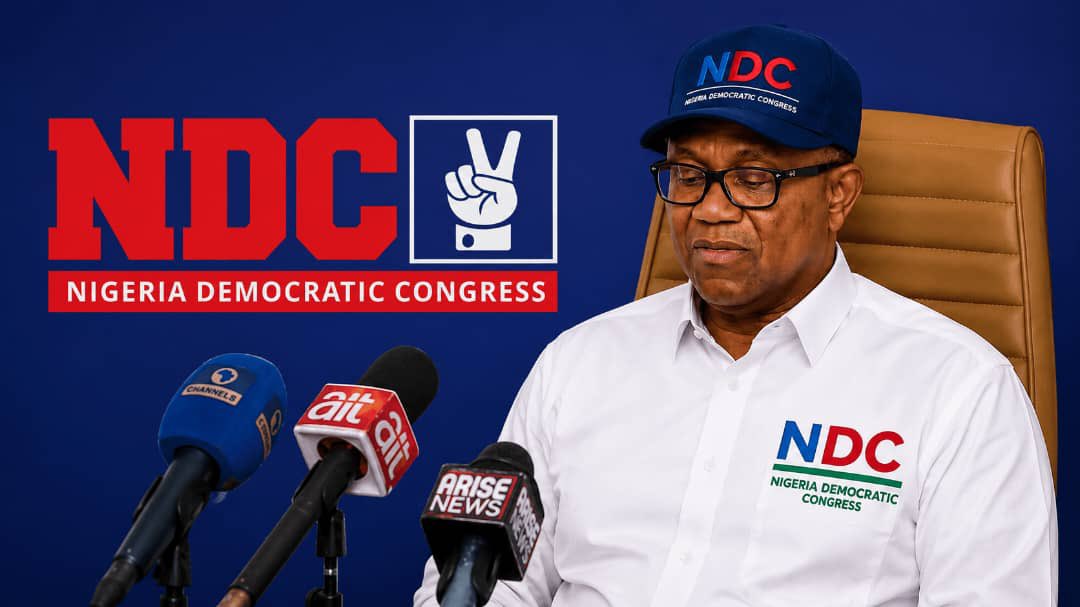
 NDC Wins Logo Battle as Abuja Court Orders INEC to Use Modified Design
 news
news Atiku Exposes Tinubu’s FAAC Scam: Bigger Naira, Poorer Nigerians
 news
news Police Arrest Hafsat Abubakar Over Fake Fintech Shutdown Document Circulated Online
 politics
 Sowore Declares Peter Obi Yelwata Blockade Government-Sponsored Political Attack
How do you feel about this news?
Community Additions
Have a news tip, correction, or extra context about this story? Post it below instantly. All submissions appear live on this screen immediately.