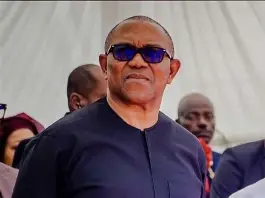
Presidency Slams Obi’s Resignation Call as Childish Distraction Amid Ekiti Triumph
Abuja, Nigeria— In a sharp rebuke that underscores the deepening political divide ahead of the 2027 general elections, the Nigerian Presidency has dismissed opposition leader Peter Obi’s demand for President Bola Ahmed Tinubu to resign, labeling it “childish and hollow” and an “unwarranted distraction” from the ruling All Progressives Congress (APC)’s recent electoral successes.
The fiery exchange erupted on Monday, June 22, 2026, following Obi’s public call for Tinubu to step down, citing what he described as “monumental failure in governance.”
Obi, the presidential candidate of the Nigeria Democratic Congress (NDC) and former Labour Party standard-bearer in 2023, drew parallels to UK Prime Minister Keir Starmer’s announcement that he would resign as Labour leader amid domestic challenges.
In his statement, Obi urged Nigerians of goodwill to join him in pressing for Tinubu’s immediate resignation.
He pointed to persistent issues including worsening insecurity, unreliable electricity supply, economic hardship, and the administration’s failure to fulfill key 2023 campaign promises.
“We are in the worst possible condition,” Obi reportedly said, framing the call as an act of accountability rather than political opportunism.
Obi also referenced Tinubu’s own past criticism of former President Goodluck Jonathan, when the then-opposition figure demanded Jonathan’s resignation over security failures in 2014-2015.
Critics and supporters alike quickly highlighted this perceived hypocrisy in the political discourse, with social media lighting up with memes, old clips, and counter-accusations.
Peter Obi, who recently transitioned to the NDC and was affirmed as its presidential flagbearer (with speculation around a potential ticket including figures like Rabiu Kwankwaso), has positioned himself as a consistent voice for good governance, frugality, and people-centered policies. His supporters, often called “Obidients,” see this as a principled stand against perceived elite disconnect.
Presidential aides, including figures like Bayo Onanuga, pushed back forcefully. They argued that Obi’s remarks were not a genuine call for accountability but a politically motivated stunt designed to divert attention from the APC’s momentum. Key points cited included:
- Recent APC victories, notably Governor Biodun Oyebanji’s re-election in the Ekiti State governorship poll on June 20, 2026, where he secured a landslide across all local government areas.
- Security gains, with reports of thousands of terrorists neutralized.
- Economic indicators such as GDP growth reaching 3.89% and rising oil production, despite inherited challenges from previous administrations.
The Presidency framed these as evidence of steady progress under Tinubu’s “Renewed Hope” agenda, even as ordinary Nigerians continue to grapple with inflation, fuel costs, and power outages.
This confrontation arrives at a politically charged moment. Nigeria is navigating complex economic reforms, ongoing security threats in regions like the Northeast and Northwest, and preparations for the 2027 polls. Tinubu himself emerged strongly from APC primaries earlier in 2026.
Reactions have been predictably polarized:
Support for Obi: Many online voices and opposition sympathizers echoed his frustrations, pointing to daily hardships and questioning the celebration of electoral wins amid public suffering.
Some highlighted past precedents where Tinubu himself advocated for resignation over governance failures.
Criticism of Obi: Groups like Ohanaeze Ndigbo rejected the call as misplaced and politically inappropriate. APC loyalists dismissed it as desperation from a figure seeking relevance.
Neutral observers: Analysts note that while accountability is vital in a democracy, calls for resignation are rare and often symbolic in Nigeria’s presidential system, where constitutional processes for removal are stringent.
The timing—mere days after the Ekiti election and coinciding with Starmer’s announcement—adds a layer of drama, blending international parallels with local rivalries.
As Nigeria hurtles toward another election cycle, this episode highlights the fault lines: governance delivery versus opposition critique; incumbency advantages versus public discontent.
For millions of Nigerians facing economic pressures, the debate transcends personalities—it reflects deeper questions about leadership, resilience, and the social contract between government and the governed.
Whether Obi’s call galvanizes opposition unity or reinforces perceptions of the Presidency’s focus on political wins remains to be seen. In the meantime, the presidency’s message is clear: focus on delivery and victories, not distractions.
 politics
 Adebayo Challenges Tinubu: Where Is Subsidy Money? Come Out and Account for It
 politics
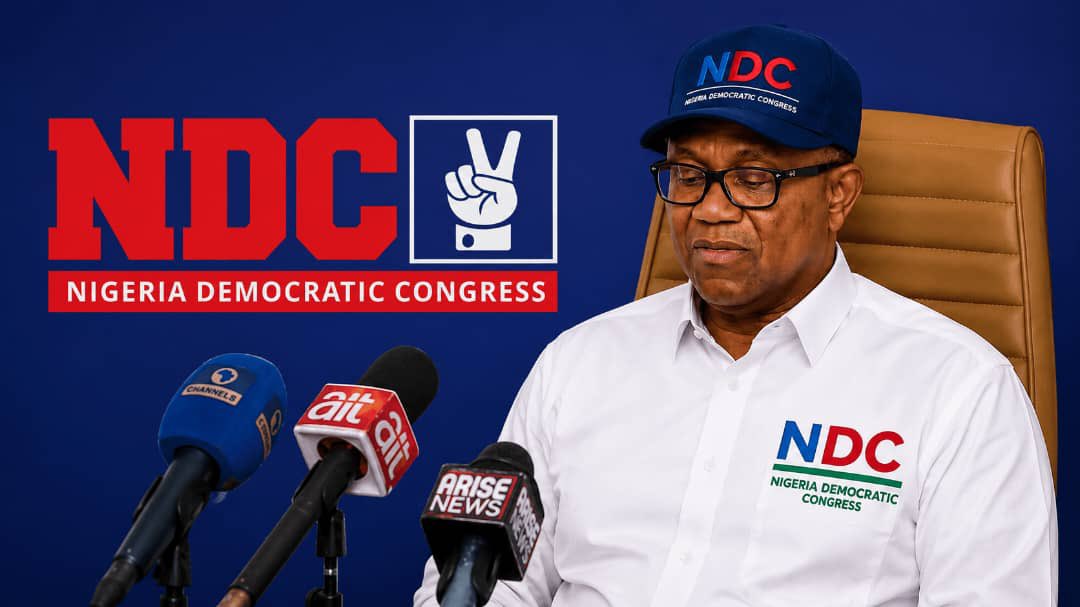
 NDC Wins Logo Battle as Abuja Court Orders INEC to Use Modified Design
 news
news Atiku Exposes Tinubu’s FAAC Scam: Bigger Naira, Poorer Nigerians
 news
news Police Arrest Hafsat Abubakar Over Fake Fintech Shutdown Document Circulated Online
 politics
 Sowore Declares Peter Obi Yelwata Blockade Government-Sponsored Political Attack
How do you feel about this news?
Community Additions
Have a news tip, correction, or extra context about this story? Post it below instantly. All submissions appear live on this screen immediately.