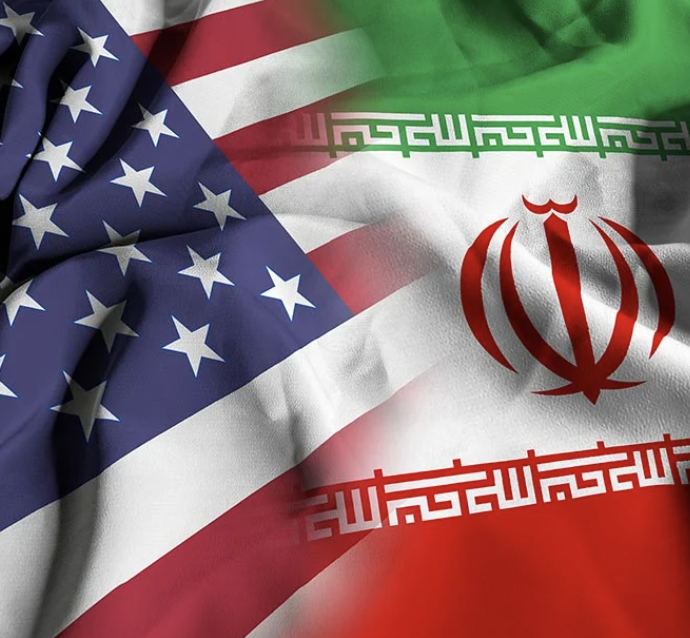
Iran Keeps Hormuz Strait Closed as Peace Talks Collapse
Tehran / Washington – June 14, 2026 — Iran has confirmed that the Strait of Hormuz will remain closed to foreign vessels until further notice, dealing a fresh blow to fragile diplomatic efforts between Tehran and Washington amid escalating regional tensions.
According to Iran’s state broadcaster IRIB, the critical waterway — through which roughly 20% of global oil supplies pass — will stay shut, with Iranian authorities warning that any vessel attempting to violate the closure will be targeted.
The announcement comes as Iran’s top negotiator signalled that ongoing talks with the United States may now be impossible to continue.
Escalation Following Israeli Strikes
The latest development follows Israeli strikes in Beirut, Lebanon, which Iran views as a major provocation.
Iran’s lead negotiator stated that the attacks have made meaningful dialogue untenable, effectively collapsing the fragile diplomatic track that had been underway in recent weeks.
Axios reported that Israel notified U.S. Central Command (CENTCOM) shortly before launching the strikes in Beirut, highlighting the complex coordination — and tensions — between Washington and Tel Aviv on regional military actions.
Strategic and Economic Implications
The continued closure of the Strait of Hormuz represents one of the most significant threats to global energy security in years.
Any prolonged disruption could trigger sharp spikes in oil prices, higher shipping insurance costs, and renewed inflationary pressures worldwide.
Analysts note that even partial or selective enforcement of the closure has already introduced significant uncertainty into energy markets.
The waterway remains a vital chokepoint, and Iran’s willingness to weaponise access to it underscores the high stakes in the current standoff.
Broader Regional Context
The Hormuz closure forms part of a wider pattern of escalation that has included direct exchanges between Iran and Israel, U.S. military involvement, and heightened tensions involving Hezbollah in Lebanon.
While backchannel and mediated talks had offered a glimmer of hope for de-escalation in recent days, Sunday’s developments have pushed prospects for a near-term diplomatic breakthrough further out of reach.
Iran has framed the closure as a defensive measure in response to what it describes as aggression by Israel and the United States.
Washington, meanwhile, has maintained that it seeks a diplomatic resolution while continuing to support its allies in the region.
Market and Global Reaction
Financial markets reacted cautiously to the news, with energy traders closely monitoring developments.
Oil prices have shown volatility in recent sessions amid conflicting reports of both potential deals and fresh escalations.
A sustained closure of Hormuz would likely push crude prices significantly higher and complicate monetary policy decisions for central banks worldwide.
As of Sunday evening, there was no immediate official response from the U.S. government or confirmation of any new diplomatic initiatives to reopen the strait or revive stalled negotiations.
The situation remains highly fluid, with the risk of further military action or miscalculation remaining elevated.
Both sides appear to be maintaining maximum pressure while leaving limited room for diplomacy — a dangerous combination that global powers are watching with growing concern.
 politics
 Adebayo Challenges Tinubu: Where Is Subsidy Money? Come Out and Account for It
 politics
 NDC Wins Logo Battle as Abuja Court Orders INEC to Use Modified Design
 news
news Atiku Exposes Tinubu’s FAAC Scam: Bigger Naira, Poorer Nigerians
 news
news Police Arrest Hafsat Abubakar Over Fake Fintech Shutdown Document Circulated Online
 politics
 Sowore Declares Peter Obi Yelwata Blockade Government-Sponsored Political Attack
How do you feel about this news?
Community Additions
Have a news tip, correction, or extra context about this story? Post it below instantly. All submissions appear live on this screen immediately.